

Understanding the Canberra rental market
If you are searching for rental properties in Canberra, it helps to know that the market still feels competitive, even though rent growth has become more moderate than in some other Australian cities. Recent figures show Canberra house rents sitting around $700 to $749 per week and unit rents around $580 to $604 per week, while vacancy remains tight at roughly 1.4% overall, which means well-presented homes can still attract quick interest from multiple applicants. The Canberra rental market also behaves a little differently depending on what you are looking for, because houses and units are not moving at exactly the same pace. Family homes tend to face stronger pressure, while some renters may find slightly better value or flexibility in units and higher-density properties. On top of that, steady demand from students, government workers, and professionals keeps many parts of the rental market in high demand. For renters, the takeaway is simple: start early, know your budget, and be ready to act quickly when the right property appears, because even a more balanced market can still move fast when supply stays limited.
What to look for before renting a house in Canberra
Set your budget and non-negotiables
Before you apply for rental properties in Canberra, set a budget that reflects your real weekly cost of living, not just the number you see on the listing, because the advertised rent is only part of the picture. In Canberra, recent market data puts median rents around $700 per week for houses and $580 per week for units, while vacancy remains tight, so the Canberra rental market still rewards renters who know exactly what they can afford before they start inspecting homes. A smart budget should include the rent itself, your likely bond, which in the ACT cannot be more than 4 weeks’ rent, and the upfront cost of moving, even though landlords also cannot require more than 2 weeks of rent in advance under current ACT guidance. This is also where your non-negotiables matter, such as whether you need parking, a pet-friendly home, easy access to public transport, or a place with manageable heating costs in winter. In the ACT, rental ads must also disclose useful details such as the fixed rent, special conditions, the property’s Energy Efficiency Rating, and, for some units and townhouses, whether the property is in an embedded network that may affect your utility choices and ongoing bills. If you are working out how to rent a house or comparing houses for rent with units, think about your priorities first and filter listings around what you truly need. Once you know your budget ceiling and your must-haves, you can move faster, make better decisions, and avoid wasting time on homes that look appealing online but do not work in real life.
More information:
https://www.act.gov.au/housing-planning-and-property/renting/before-renting
Choose the right suburb and property type
When you are comparing rental properties in Canberra, location matters almost as much as the property itself, because choosing the right area can save you time, transport costs, and a lot of everyday stress.A good rule is to work backwards from your routine. If you study at ANU, remember the main campus is in Acton, right in inner Canberra, so nearby areas on the inner north and inner south usually make walking, cycling, or a short bus trip much easier. If you study at the University of Canberra, the Bruce campus sits on the north side and is promoted as only about 12 minutes’ drive from the city, so Belconnen-side suburbs can be a very practical fit. If you work in Civic, Barton, Parkes, or another government-heavy area, commute access becomes one of the biggest decision-makers, and that is why many renters look closely at inner-city suburbs, light rail access, or major bus interchanges before they even start shortlisting homes. Canberra is also more forgiving than Sydney or Melbourne when it comes to distance, because current market guidance suggests that even from outer districts such as Tuggeranong or Gungahlin, many residents can still reach Civic in under 35 minutes by car or bus. That means choosing a suburb is not just about being as close to the centre as possible. It is about finding the balance between convenience, budget, lifestyle, and the kind of home you actually want to live in. In practice, first-time renters usually do best when they narrow their search by asking a few simple questions first: Do I need to be near uni? Do I need a straightforward commute to government offices? Do I want nightlife and walkability, or more space and quieter streets? Once those answers are clear, the Canberra rental market becomes much easier to read.

- Suburbs worth considering
- Braddon / Turner: A strong choice if you want to stay close to the City and ANU, with easy access to cafes, shops, and a more walkable lifestyle.
- Kingston / Griffith / Manuka: A good fit if you want inner-south living with quick access to Barton, Parkes, and the Parliamentary Triangle, plus a more polished village feel.
- Belconnen / Bruce: Practical for renters who want access to the University of Canberra, Belconnen Town Centre, and a wide mix of apartments, townhouses, and family homes.
- Gungahlin / Ngunnawal: Popular for newer housing and easier access to the City via light rail, especially if you want a newer apartment or townhouse.
- Woden / Phillip: Worth considering if you want a major town centre feel on the south side and strong transport links, especially as the corridor continues to attract investment and infrastructure attention.
- Tuggeranong: Better for renters who want more space and a quieter suburban feel, and who do not mind a longer commute in exchange for value.
House
Best for renters who want more space, privacy, and outdoor room, but it usually comes with a higher rent and more upkeep.
Townhouse
A townhouse offers a good balance between space and affordability, making it a practical choice for couples or small families.
Apartment
An apartment is ideal for renters who want convenience, lower maintenance, and easy access to town centres or public transport.
How to apply for a rental property
Prepare your documents early
Before you apply for rental properties in Canberra, it helps to have all your documents ready in one folder so you can submit a complete application quickly. Property managers usually want to assess who you are, whether you can afford the rent, and whether you are likely to look after the property well. That is why preparing your documents early can make the whole process feel much smoother, especially in a competitive Canberra rental market. You can break it down into the key items below.
More information:
https://www.act.gov.au/housing-planning-and-property/renting/starting-a-tenancy?
What First-Time Renters Need to Know
For first-time renters, the biggest thing to understand is that not having a rental history does not automatically lock you out of the Canberra rental market, but it does mean you need to make your application work harder for you. When you are applying for rental property first time, property managers are usually trying to answer two very practical questions: can you pay the rent on time, and are you likely to look after the home properly? That is why strong supporting documents, stable income evidence, and credible references matter so much. If you do not have a previous landlord, you can often strengthen your application with references from an employer, teacher, manager, or another professional contact rather than a relative, and it is a good idea to tell those people in advance so they are ready if an agent calls. Guidance for renters also suggests that a first-time applicant may be able to use alternative referees, such as a student accommodation manager or, in some cases, have a parent co-sign the lease, which can help reassure the owner about reliability and financial stability. Once you are approved, slow down and read everything carefully, because in the ACT a residential tenancy agreement is a legal contract and there is no cooling-off period after signing. Before the tenancy begins, tenants must be given key information such as the tenancy agreement, access to the ACT Renting Book, the property’s Energy Efficiency Rating statement if there is one, asbestos information, and, for units, a unit title rental certificate. After you move in, the landlord or agent must provide a condition report within one day, and you then have 2 weeks to review it, add comments, and return it, so this is not a document you want to leave sitting untouched in your inbox. For anyone learning how to apply for a rental property, that is the real mindset shift: being a first-time renter is less about having a perfect history and more about showing that you are organised, transparent, and ready for the responsibilities that come with the lease.
Tips to strengthen your application
- Submit a complete application the first time
One of the easiest ways to improve your chances is to make sure nothing is missing. Property managers often move quickly, so an application with gaps, mismatched dates, or missing supporting documents can lose momentum straight away while a cleaner application moves ahead.
- Organise your documents before the inspection
Do not wait until after you find a property you like. Have your ID, proof of income, employment details, references, and any rental history ready to go so you can apply quickly once inspections open or applications are invited.
- Make your references easy to verify
Good references can help, but only if they actually respond. Let your referees know in advance that a property manager may contact them, and make sure their phone number, email, and relationship to you are clear on the application.
- Write a short, clear renter introduction if it helps explain your situation
This can be especially useful for first-time renters, students, couples, or anyone without a long rental history. A short note can explain who you are, what you do, why you are moving, and why you would be a reliable tenant without turning the application into an essay.
- Be honest about your income, rental history, and household details
A rental application is not the place to try to look perfect by stretching the truth. Clear and accurate information builds trust, while inconsistencies can create doubt very quickly and weaken an otherwise strong application.
- Respond quickly when an agent follows up
Speed matters in the Canberra rental market, especially when multiple applicants are being reviewed at the same time. If a property manager asks for an extra document or tries to confirm a detail, a fast and professional response can help keep your application moving.
What to check at a rental inspection
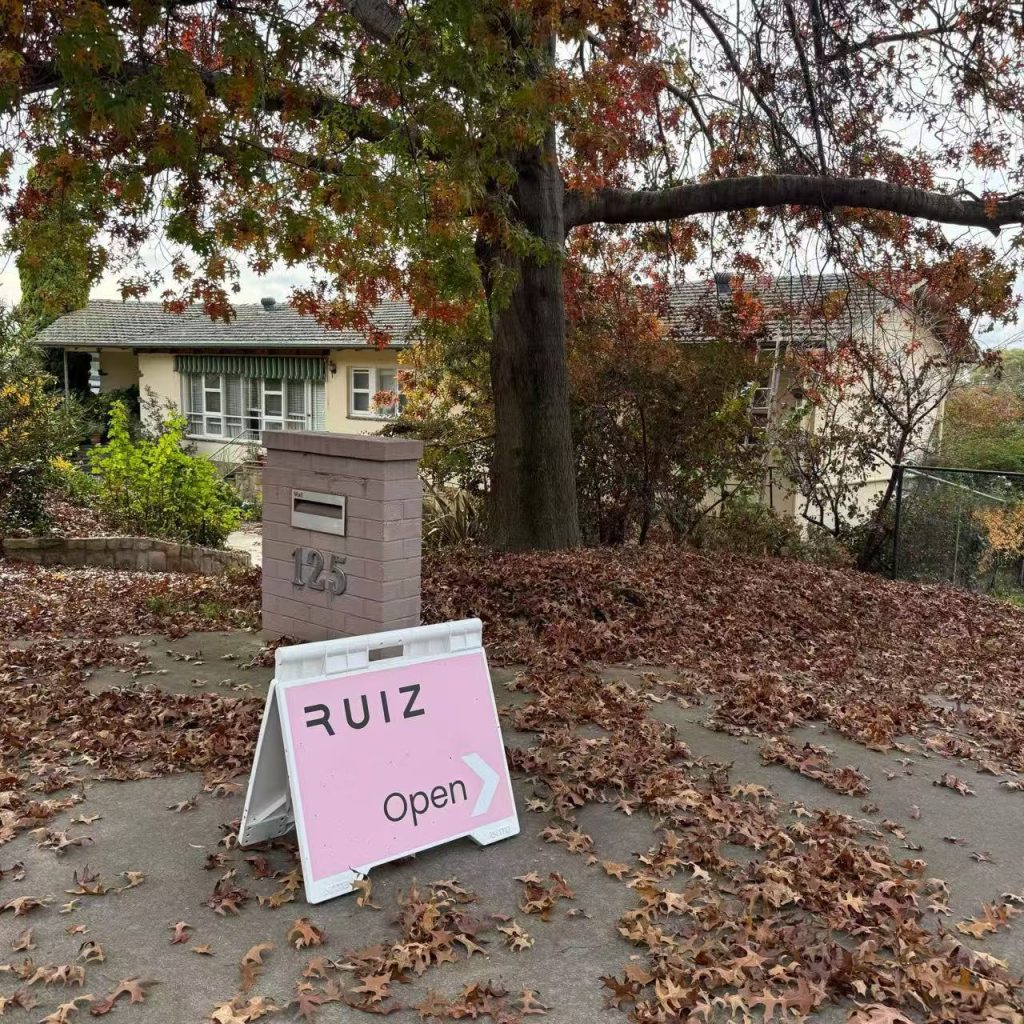
Check the condition carefully
At a rental inspection, try to look past the styling and focus on the bones of the home, because what feels minor during a quick walkthrough can become very annoying once you move in. In the ACT, a landlord is required to provide the property in a reasonable state at the start of the tenancy, which includes being fit to live in, reasonably clean, in a reasonable state of repair, and reasonably secure. You will also receive a condition report shortly after moving in, and you only have 2 weeks to comment on it, so the inspection is your first chance to spot issues you may want to remember, photograph, or ask about before signing. A good rule is simple: do not just ask whether the property looks nice, ask whether it looks sound, safe, functional, and realistic for daily life.
- Look for signs of damp, mould, leaks, or water damage, especially in bathrooms, laundries, ceilings, and around windows, because these issues can point to ventilation or maintenance problems rather than just surface marks.
- Check whether the home feels warm, bright, and liveable, including natural light, heating, air conditioning, and airflow, because these details make a big difference in Canberra’s colder months.
- Test the practical layout, not just the appearance. Think about room sizes, storage, wardrobes, and whether your furniture and white goods would actually fit the space you are paying for.
- Notice power points, appliance setup, and utility practicality, including whether there are sockets where you need them and enough room for things like your fridge, washer, or dryer.
- Pay attention to security and privacy, such as deadlocks, window locks, secure fencing, and whether people can easily see into the home from outside.
- Check outdoor areas with the same level of care, including the garden, balcony, patio, backyard, and any storage sheds, because low-maintenance outside space can feel very different from a yard that needs constant work.
- Ask about anything that already looks worn or not fully working, since agents may not test every appliance during an inspection unless a tenant raises the issue directly.
- Take notes or photos straight after the inspection if allowed, so you remember what looked clean, damaged, missing, or questionable when you later review the lease and condition report. In fast-moving searches, memory fades quickly, and one property can blur into the next.
Helpful Questions to Ask the Property Manager
This is a simple way to understand whether the property has known issues, especially if you noticed marks, leaks, faulty fittings, or appliances that did not seem to be working properly during the inspection.
This matters more than many renters expect, especially in Canberra, where winter comfort can have a big impact on both liveability and power bills.
It is better to hear about things like pet conditions, maintenance expectations, or other extra terms before you apply rather than discovering them at the signing stage. The ACT’s current guidance also requires certain key information to be given before the tenancy starts, so it makes sense to raise lease-related questions early.
A well-managed property is not just about the condition on inspection day. It is also about how quickly problems are reported, acknowledged, and dealt with once someone is living there.
This helps avoid confusion about appliances, parking, storage, furniture, or outdoor items that may appear to come with the home but are not actually included.
ACT Rental Rules That Tenants Should Know
Rent increases
For tenants in Canberra, the key thing to know is that a rent increase cannot just appear out of nowhere or be changed casually halfway through the year. Under current ACT rules, rent generally cannot be increased more than once every 12 months, and for the increase to be valid, the landlord or agent must give you 8 weeks’ written notice that clearly states the amount of the increase, when it will start, and whether it is above the permitted limit. If the proposed increase is above that limit, you do not have to simply accept it. In that situation, the landlord must either get your agreement or apply to ACAT for approval before the higher increase can take effect, and ACAT can allow it, reduce it, or disallow it altogether. Even if the increase is below the limit, you can still challenge it if you believe it is excessive, especially if the property’s condition does not justify the higher rent. Timing matters here, because a tenant application to ACAT must be made at least 2 weeks before the new rent is due to begin.
For tenants, the practical takeaway is simple: read the notice carefully, check whether the increase follows the ACT rules, and do not assume you have no options just because the landlord has sent the letter.
More information:
Pets in rental properties

For tenants looking at rental properties in Canberra, the good news is that keeping a pet is not simply a matter of a landlord saying no and that being the end of it. In the ACT, a tenant can make a written request to keep a pet, and if the lessor wants to refuse, they generally need to apply to ACAT for approval. They also need to do that within 14 days of receiving the request. If they do not apply within that timeframe, they are taken to have consented. A lessor can still set reasonable conditions, such as limits on the number of animals or expectations around cleanliness and maintenance, but if a tenant thinks those conditions are unreasonable, that dispute can also be taken to ACAT. For tenants, the practical takeaway is simple: ask in writing, be clear about the type of pet you have, and do not assume the answer is automatically final unless the proper ACT process has been followed.
More information:
https://www.acat.act.gov.au/case-types/rental-disputes/pets-in-rental-properties
Maintenance Requests and Property Access
If something stops working during your tenancy, it is important to report it as early as possible and keep a written record of the issue. In the ACT, landlords are responsible for keeping the property in a reasonable state of repair, with urgent repairs needing to be handled as soon as practicable and non-urgent repairs generally needing to be completed within 4 weeks after the problem is reported. For tenants, the practical habit is simple: report maintenance issues clearly, include photos if needed, and keep emails or messages in case you need to follow up later. That way, if a small issue turns into a bigger one, you already have a record showing when you raised it and what was said.
Are you a tenant of Ruiz Property? Click the link below for Maintenance Reporting & Urgent:
https://www.ruizproperty.com.au/property-maintenance/
Tenants also have the right to feel that the property is their home, not a space people can enter whenever they like. In the ACT, a landlord or agent must usually give one week’s written notice before entering the property for non-urgent repairs, repair inspections, or work related to minimum housing standards, while urgent repairs require only reasonable notice and must still happen at a reasonable time. For routine inspections, landlords must also give one week’s written notice, and inspections should take place at a time agreed by both sides with reasonable regard to each person’s commitments. For tenants, the key point is that access should be lawful, reasonable, and respectful of your privacy, rather than casual or disruptive.
Moving in and settling into your rental property
Complete your condition report properly
When you move into rental properties in Canberra, treat the condition report like your safety net, not just another form to rush through between unpacking boxes and setting up the internet. In the ACT, the landlord or agent must give you 2 copies of the condition report within 1 day of moving in, and you then have 2 weeks to check it, add your comments, sign it, and return one copy. If you do nothing within that period, you can be treated as having agreed with the original version, which is why this document matters so much. The report is there to record the state of the property at the beginning of the tenancy, including things like marks on walls, chipped paint, stained carpet, damaged blinds, missing fittings, or appliances that are not working properly, and it can become key evidence later if there is a disagreement about cleaning, damage, or your bond. The best approach is to go room by room, be specific, and photograph everything that looks worn, broken, dirty, or different from what is written on the report. Close-up photos and videos can be especially helpful, because visual evidence often makes disputes much easier to resolve. You should also keep your own copy and store the photos safely, since tenants are only expected to return the home in substantially the same condition, allowing for fair wear and tear, not in a better condition than when they received it.
More information: