
A New Direction for Housing in Canberra
Canberra is growing, but much of its residential land is already established. With the ACT Government planning to enable 30,000 new homes by 2030, creating more housing cannot rely only on new suburbs at the city’s edges. More homes will also need to be delivered within existing neighbourhoods, close to shops, schools, transport and other services.
This is the purpose of Canberra’s Missing Middle Housing Reforms, which took effect on 1 July 2026. The reforms change what may be developed across RZ1 and RZ2 residential zones, opening more of the city to well-designed, low-rise housing. For homeowners, buyers, investors, landlords and renters, this could gradually change both the range of properties available and how established suburbs develop.
What Does “Missing Middle” Housing Mean?
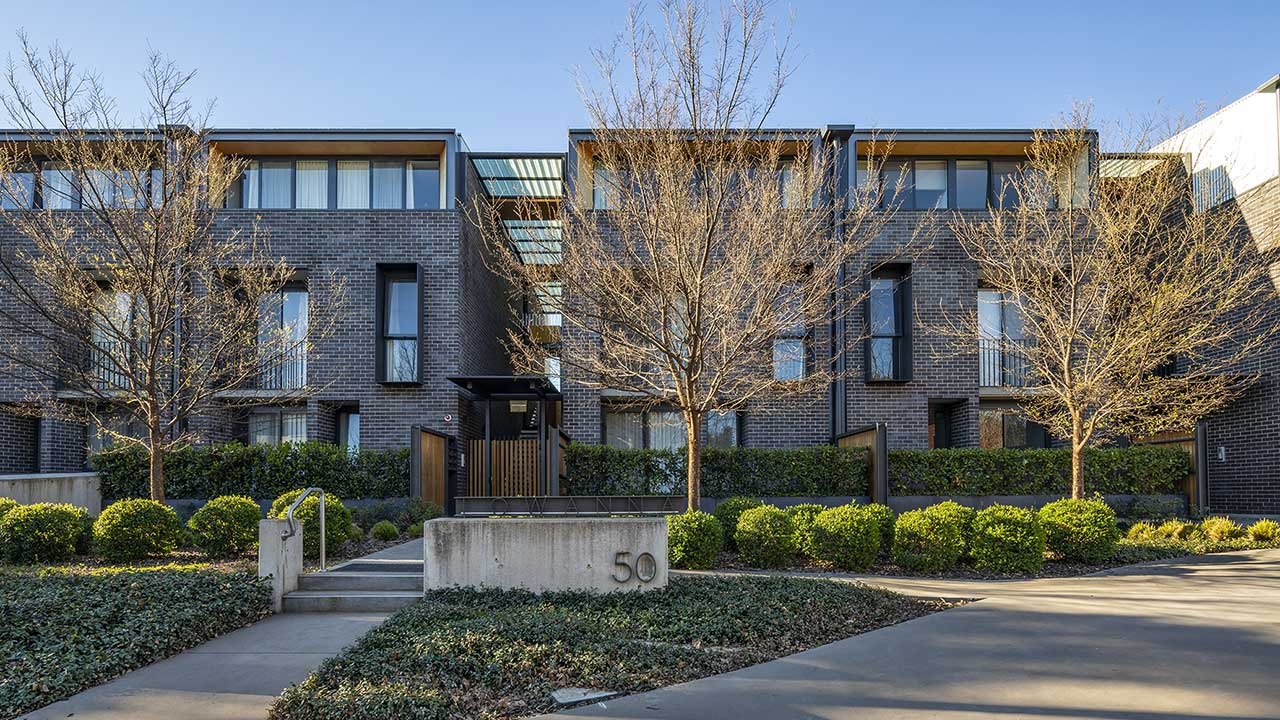
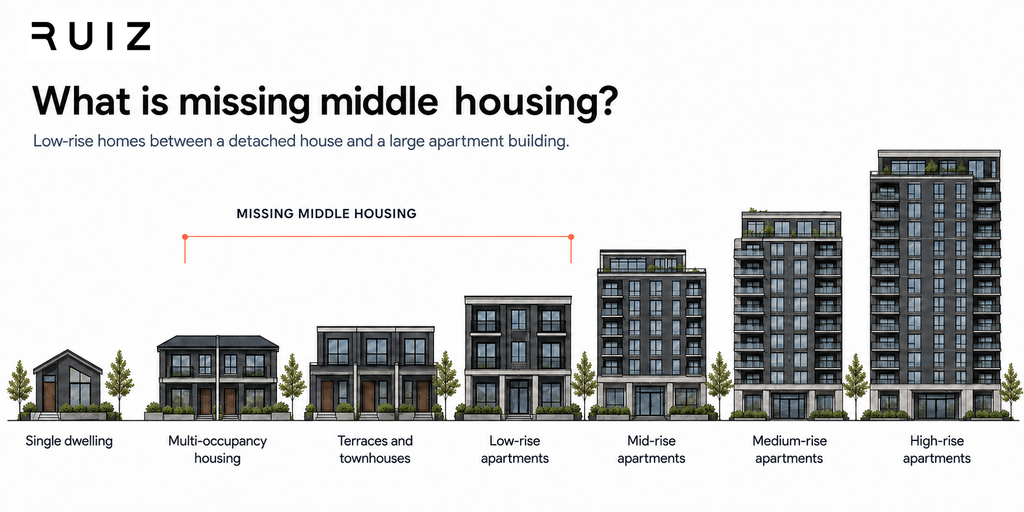
“Missing middle” describes housing that sits between a detached house and a large apartment building. It includes duplexes, triplexes, terraces, townhouses and small low-rise apartment developments.
These homes can offer an alternative for first-home buyers, smaller households, renters and older residents wanting to downsize without leaving their community.
What Have the Reforms Changed?
RZ1 and RZ2 are residential planning zones that determine what types of housing can be developed on a property. RZ1 covers most of Canberra’s lower-density suburban areas, while RZ2 generally applies to areas near local centres, shops and transport where slightly higher-density housing is allowed.
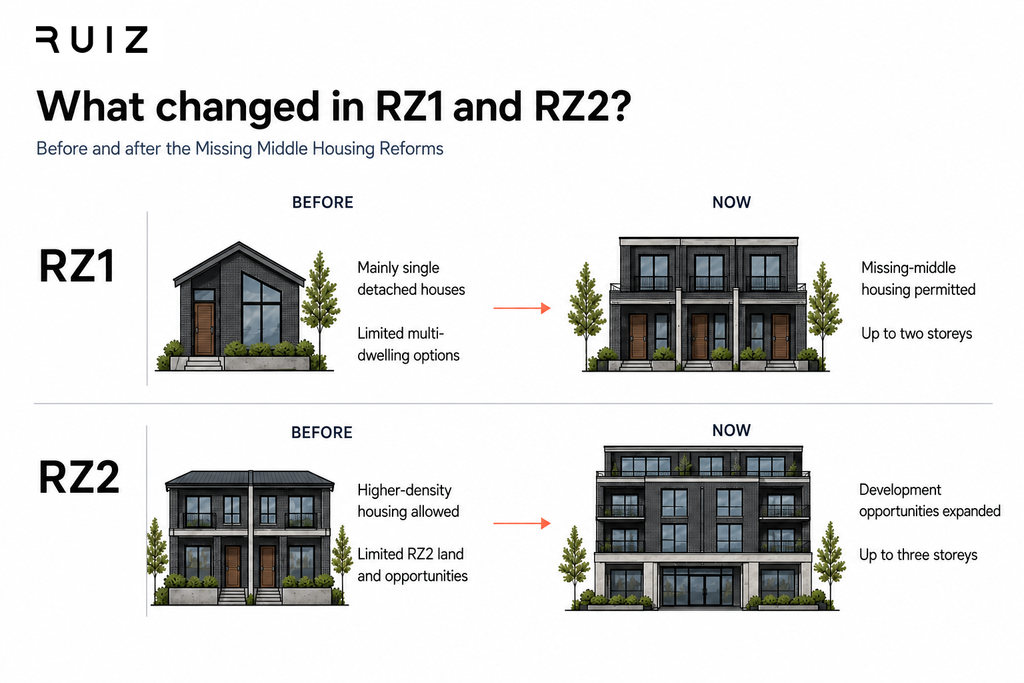
Before the reforms, most RZ1 land was principally occupied by single detached houses, with more limited opportunities for multi-dwelling development. RZ2 allowed greater density but represented a much smaller share of residential land.
The updated Territory Plan now permits missing middle housing in RZ1 and expands opportunities in RZ2. Subject to planning, site and design requirements, developments may include:
- Duplexes and triplexes
- Terraces and townhouses
- Low-rise apartments of up to two storeys in RZ1 and three storeys in RZ2
All development remains subject to site, planning and design requirements.
The reforms are supported by clearer approval pathways and the Missing Middle Housing Design Guide, which addresses trees, streetscape character, open space and impacts on neighbours.
Eligible RZ1 and RZ2 projects may also qualify for a time-limited 50% reduction in the Lease Variation Charge, subject to approval and construction deadlines. The ACT Government is also developing a Canberra House Pattern Book containing pre-approved, architect-designed plans intended to reduce design costs, streamline approvals and provide greater certainty.
What Could This Mean for Canberra’s Property Market?
The immediate effect is unlikely to be a sudden wave of redevelopment. Whether a project is possible will still depend on factors such as block size and shape, access, parking, trees, setbacks and construction costs. It may also depend on the property’s Crown lease conditions, i.e. the legal rules attached to the land that can determine how it may be used or developed, and whether development approval is granted.
Over time, more low-rise homes could increase housing choice, use existing infrastructure more efficiently and create options between detached houses and large apartment complexes.
More supply could improve competition and rental choice in the longer term, but the reforms do not guarantee lower prices or rents. Interest rates, land values, construction costs, population growth and the pace of development will continue to influence affordability.
What Do the Reforms Mean for Buyers, Sellers, Investors and Renters?
For buyers, the reforms may create more opportunities to purchase townhouses, terraces and other lower-maintenance homes in established locations. However, buyers should also consider how future development on surrounding properties could change the area’s density, privacy, traffic and parking.
For homeowners and sellers, a suitable block may have greater development potential than it did previously. That potential could affect buyer interest and how a property is marketed, but zoning alone does not confirm what can be built. A site-specific planning assessment remains important.
For investors and landlords, the reforms may create opportunities to develop or purchase multiple dwellings in established areas with strong rental demand. However, before investing, they should assess expected rental income, vacancy risk, construction and ongoing costs, property-management requirements and any unit-title obligations.
For renters, a gradual increase in medium-density housing could mean more choice close to work, education, transport and local centres. The benefits will take time to emerge and will vary between suburbs as projects are approved and completed.
What Should Property Owners Consider Next?
Property owners curious about what the reforms could mean for their property can start by checking its zoning, Crown lease and site constraints. Planning, legal, financial and tax advice may also be needed, while a local sales or rental appraisal from Ruiz Property can help owners understand current demand and their property’s market potential.
Looking Ahead
The Missing Middle Housing Reforms represent a significant shift in how Canberra can grow. They aim to introduce more diverse, human-scale homes throughout established areas.
Their long-term impact will depend on how many projects prove practical, financially viable and responsive to local demand. For Canberrans, the key opportunity is greater housing choice, but every property and investment decision will still require careful assessment.
Considering what the reforms could mean for your property? Contact Ruiz Property for local sales, leasing and property-management insight.